
formal dress latest
Body Shape and Silhouette Matching Hourglass Body Type Measurements: Bust and hips similar, defined waist Best silhouettes: Fit-and-flare to show curves Sheath to highlight proportions Wrap styles to emphasize waist Avoid shapeless empire styles Fit priorities: Waist definition is key Choose styles that nip at natural waist Both bust and hip measurements matter equally Pear Body Type Measurements: Hips larger than bust, defined waist Best silhouettes: A-line to balance proportions Fit-and-flare with fuller skirt Empire waist to draw eye up Avoid body-con and mermaid Fit priorities: Size for your hips, alter bust and waist Look for details at neckline and shoulders Dark colors on bottom, details on top Apple Body Type Measurements: Bust larger than hips, less defined waist Best silhouettes: Empire waist to skim midsection A-line for overall balance V-neck or scoop to elongate Avoid cinched waists and belts Fit priorities: Size for bust measurement Avoid fabric that clings at waist Look for vertical details and seams Rectangle Body Type Measurements: Bust, waist, and hips similar Best silhouettes: Fit-and-flare to create curves Belted styles to define waist Peplum details for dimension Avoid straight sheaths Fit priorities: All three measurements similar, so standard sizing often works Add definition with seaming and details Ruching and draping create curves Fabric and Stretch Considerations Stretch Fabrics Give 1–2 inches of flexibility in fit More forgiving if between sizes Hug curves without restrictive feeling Less alteration needed overall Common stretch fabrics: Stretch satin (most popular) Jersey knit Crepe with elastane Ponte Sizing tips for stretch: Can size down if you prefer fitted look Still measure accurately—stretch isn’t magic Check stretch percentage (5–15% is typical) More stretch means more form-fitting Non-Stretch Fabrics Require precise measurements Less room for sizing errors Traditional formal look More structured drape Common non-stretch fabrics: Chiffon Organza Taffeta Satin (without elastane) Sizing tips for non-stretch: Always size up if between measurements Allow extra room for comfort and movement Can’t rely on fabric to stretch over time Critical to try on before alterations Frequently Asked Questions How much should a formal dress be altered Core Colors:Grape Wine Ladivine unique fashion dress women https://lookaside.instagram.com/seo/google_widget/crawler/?media_id=3403681102684783773 Dusty Green Sleeveless V-Neck Wrap Dress – Soft Viscose Jersey by Conquista


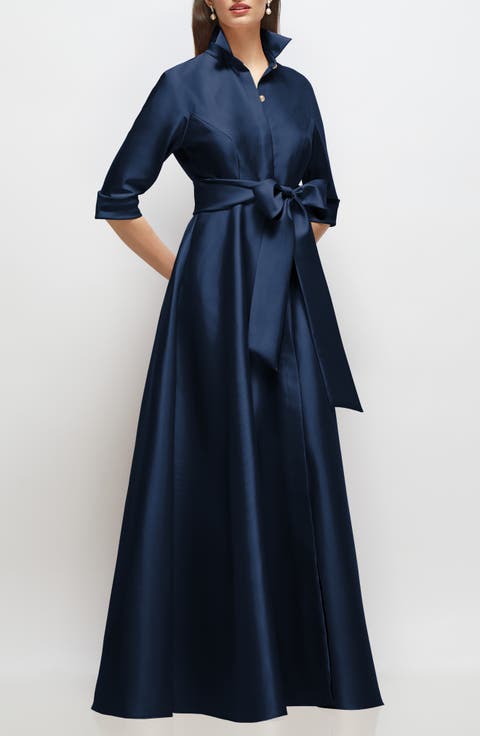

Long Formal Dress by LaDivine CM327
USD25.28
Long Formal Dress by LaDivine CM327
USD26.98


Formal Dresses
USD21.85


Meet the editor behind this guide
Occasionwear Allocation Planner: Eugene Soto
A strong total can hide missing sizes. Much of the work involves reviewing skirt size availability, with moving gown stock between stores taking up the rest of a typical project. Combined formal study in retail planning with paid placements in the clothing trade. Has spent 23 years working on dress and skirt projects, usually in small teams. Prefers a short sample trial when two workable approaches need comparing.
Wear it with confidence
Modal Knits: Softness Still Needs Shape Recovery
The care label determines the permitted drying method. Avoid pulling the cloth tight for the mirror.
Underarm Seams: Find the Pressure Point Before Sizing Up
A close underarm seam can feel restrictive despite enough bust room. Move both arms forward gently.
Mixed Metals: Repeat Each Tone with Intention
A two-tone accessory can connect separate metal colors. Include buckles and clasps in the comparison.
Frequently Asked Questions for formal dress latest Formal Dresses for Women | Prom Dresses and Event Gowns
What should I check about a skirt if my day involves many stairs?
Consider how an asymmetric hem moves on either side. Consider the shortest covered length while stepping upward.
What should I check when pairing a skirt with ankle boots?
Check that stepping onto a low step remains comfortable. Look at the side view to assess the overall outline.
What should I check before buying a faux-leather skirt?
A structured appearance can affect the silhouette, so compare standing and movement images. Do not treat faux-leather wording as proof of environmental performance or a particular certification.